Average Reviews:

(More customer reviews)Are you looking to buy New York 1960: Architecture and Urbanism Between the Second World War and the Bicentennial? Here is the right place to find the great deals. we can offer discounts of up to 90% on New York 1960: Architecture and Urbanism Between the Second World War and the Bicentennial. Check out the link below:
>> Click Here to See Compare Prices and Get the Best Offers
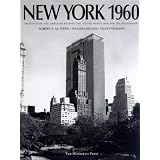
New York 1960: Architecture and Urbanism Between the Second World War and the Bicentennial ReviewFirst of all, the book is just too darned big to handle comfortably. With over 1300 pages, I don't know whether to congratulate the authors on their thoroughness or criticize them for having no sense of self-restraint. This tome could have been divided into three separate volumes, and each would have been a substantial book in itself.The epic length of the book allows the authors to go into incredible detail. The book is divided into chapters primarily by neighborhood. There are also chapters devoted to the topic of interior decoration, the 1964-65 World's Fair, "Beyond the Boroughs," "Historic Preservation," and "New York and the Arts." The numerous b&w photographs, averaging more than one per page, are stunning.
A chapter titled "Death by Development" walks the reader through the ideology of the era that led to public housing monstrosities, as well as middle-class housing of dubious aesthetic and structural integrity. This same chapter discusses proposals for air-raid shelters, some of which would have had expanses large enough to hold a nine-story building, as well as the 1945 incident in which a US military plane crashed into the Empire State Building. The same chapter shifts to transportation issues, and presents a 1951 proposal for an unconventional "people mover" under 42nd Street, and the beginning of construction in 1972 on the Second Avenue subway (which perhaps, will open sometime in my lifetime). All this in just one of seventeen chapters - gives you some idea of the expansiveness and thoroughness of this book.
Many readers will take special note of the eight pages devoted to the World Trade Center. This book was written before "9-11," and the book's coverage of the WTC is haunting, to say the least.
From our perspective, the era in question (1945-1976) constitutes the "dark ages" of urban planning and architecture. Yet, the beautiful period photographs and accompanying text immerse the reader in the aesthetic mentality of the era. This book is a masterpiece, and maybe later in the day I'll find the strength to move this eight pound book from my table to my desk.New York 1960: Architecture and Urbanism Between the Second World War and the Bicentennial Overview
Want to learn more information about New York 1960: Architecture and Urbanism Between the Second World War and the Bicentennial?
>> Click Here to See All Customer Reviews & Ratings Now

0 comments:
Post a Comment